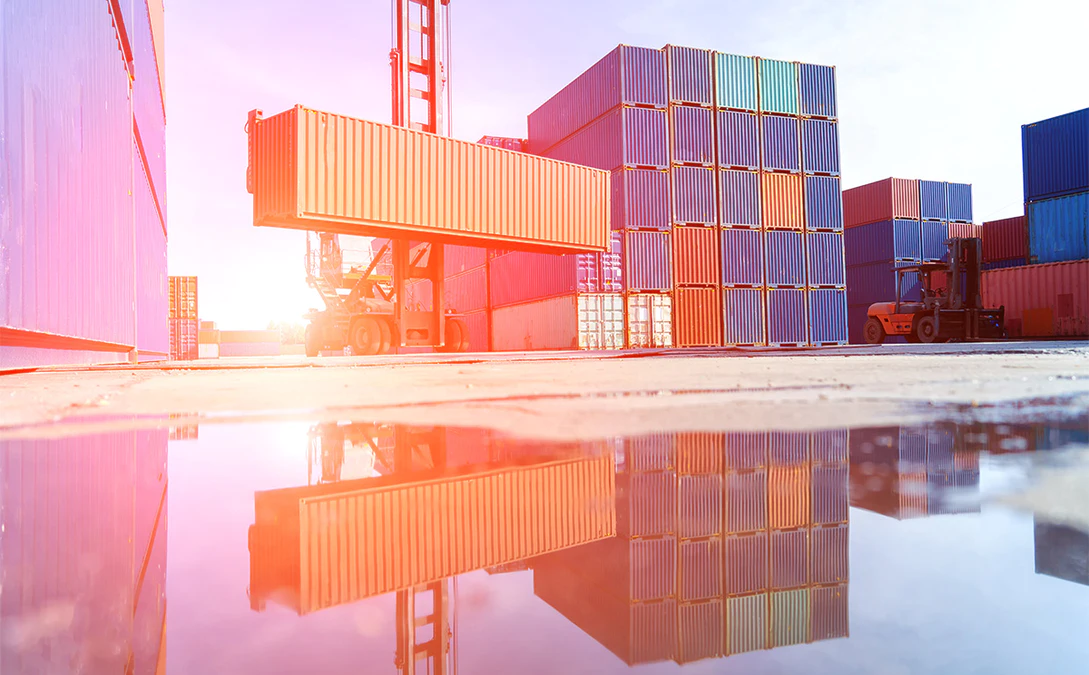
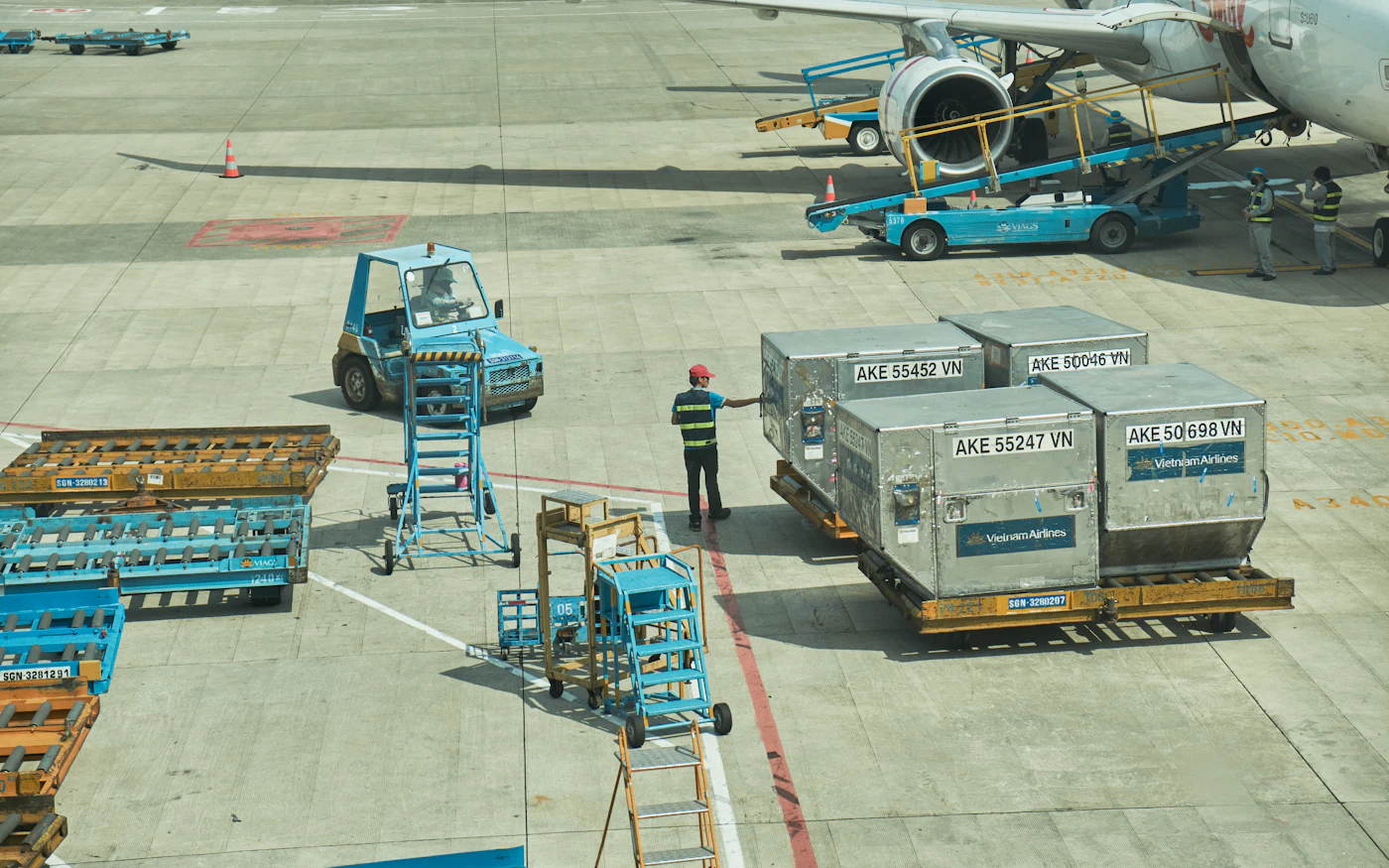
Hong Kong International Airport has ranked among the world’s leading cargo airports for many years, and the reason is less about geography than density. A very high frequency of long-haul services in every direction means that for a time-critical consignment there is usually a next flight within hours rather than days, and a viable alternative if the first is missed.
Around that sits infrastructure that is genuinely built for freight: extensive dedicated cargo terminal capacity, established handling for dangerous goods and temperature-controlled consignments, and customs procedures designed around a free port where most goods move without tariff. For an aviation spare with an airworthiness certificate attached, the ability to transit without becoming an import event materially reduces both delay and paperwork.
None of this is automatic — it still requires the documentation to be right and the handling to be booked properly. But when we are asked why a part from Europe destined for Southeast Asia is routing through Hong Kong rather than flying direct, the answer is usually that the direct option runs twice a week and the Hong Kong routing runs four times a day.
Harbour Strategies (HK) Limited · 24 February 2026
Editorial commentary by Harbour Strategies. Figures and regulatory details should be verified against primary sources before being relied upon.