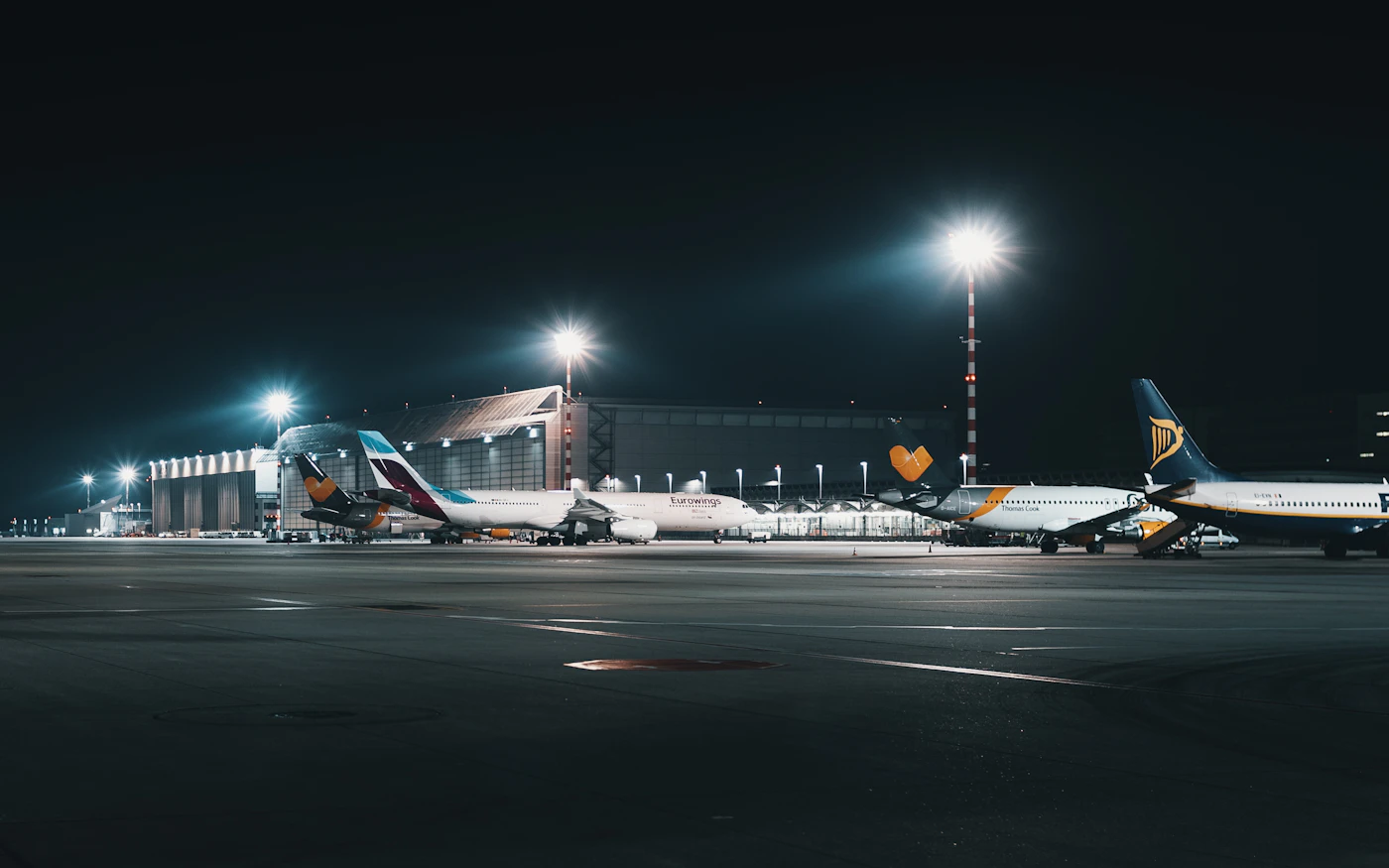
When an aircraft is grounded for want of a part, the cost accrues by the hour and cascades through the schedule. The logistics response has very little to do with speed of transport and almost everything to do with sequencing. The flight itself is often the shortest part of the timeline.
-
0–1h
Identify and locate
Confirm part number and effectivity, find certified stock, check alternates.
-
0–2h
Paperwork in parallel
Airworthiness release, export documents, dangerous goods declaration if applicable.
-
1–3h
Book the routing
Only once certification is confirmed. Hold a second option on a later frequency.
-
2–4h
Arrange the far end
Destination clearance, ground handling hours, hand-off to the maintenance organisation.
-
4–6h
Tender and track
Cargo tendered, milestones monitored, receiving party briefed on arrival window.
The first hours go on sourcing and paperwork in parallel, never in series: confirming the part number and effectivity, locating certified stock, and simultaneously preparing the airworthiness release documentation, the export paperwork and the dangerous goods declaration if the item is a battery, an inflatable or anything pyrotechnic. Booking a seat on a flight before the certificate is confirmed is how shipments end up sitting at an airline cargo terminal.
The second constraint is the receiving end. Customs clearance at destination, ground handling hours and the physical hand-off to the maintenance organisation all have to be arranged while the part is still in the air. This is where a hub matters: Hong Kong’s density of long-haul frequencies and around-the-clock cargo handling means there is usually a viable routing at any hour. Our role is to hold all these threads at once so the client is managing an aircraft, not a courier.
Harbour Strategies (HK) Limited · 19 May 2026
Editorial commentary by Harbour Strategies. Figures and regulatory details should be verified against primary sources before being relied upon.